
Come on in, sit down, and slide in close a minute.
A few years back I had a paramedic student riding with me. Good kid. Smart. Gave a damn about the patient, which already put them ahead of a whole bunch of folks who can recite protocols but still miss the point.
We had a patient with a possible fracture who was hurting pretty good. Student looks over and says, “We ought to give something for pain before we move them.”
Now that part? That’s good medicine.
That’s somebody thinking about the patient instead of treating the human body like freight with a pulse.
So off they go to the truck.
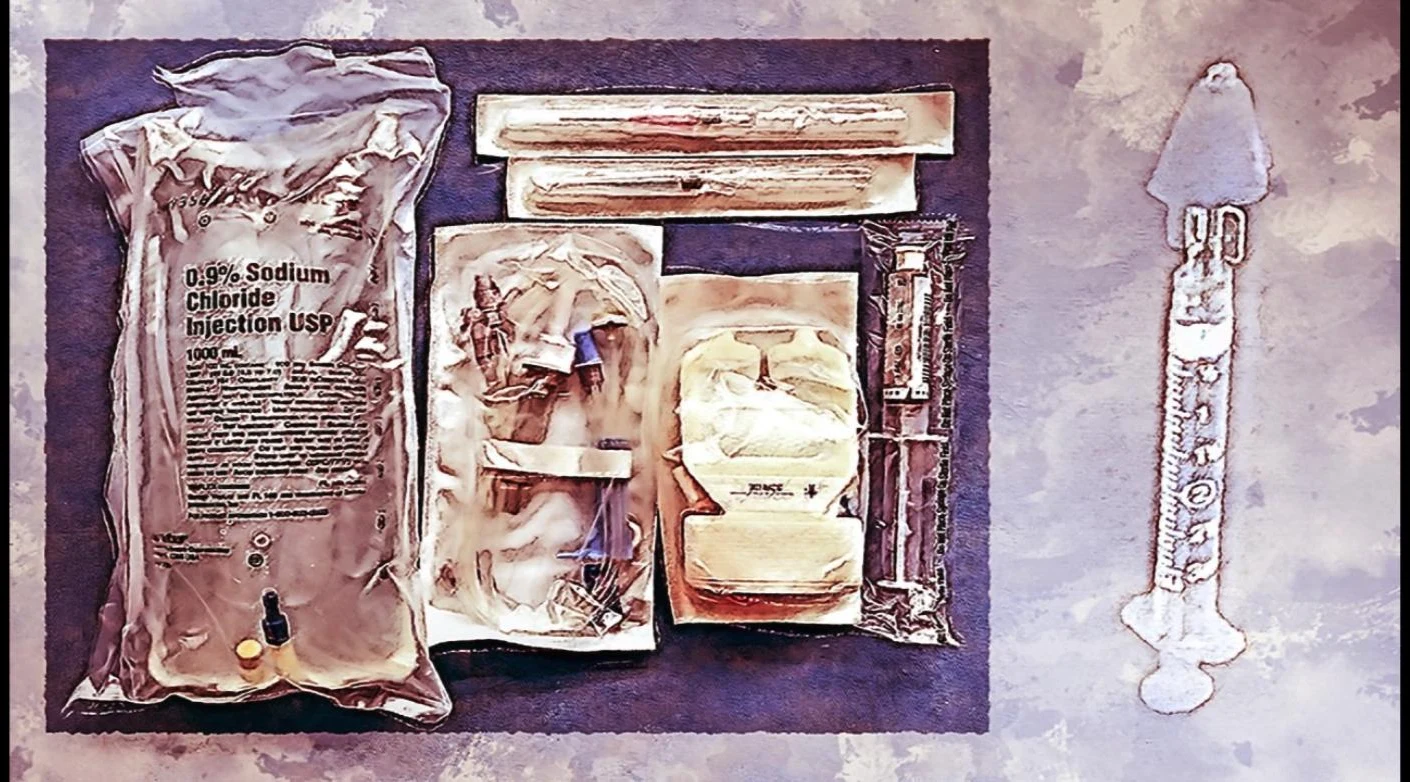
Out comes the drug box. Out comes the IV stuff. Tourniquet. Flush. Tubing. Catheter. The whole damn traveling circus.
First stick misses. Second one lands a 20. Line gets set up. Medication finally goes in.
All told, we burned about fifteen minutes.
Before the Peanut Gallery Clears Its Throat
Now before the peanut gallery starts clearing their throat and polishing up their Facebook pharmacology degree, let’s get something straight.
Yes — IV analgesia has the faster onset once the IV is in. Yes — IV gives you tighter titration and stronger control up front. And yes — the literature backs that up. Intranasal fentanyl has high bioavailability, but it still has a short absorption lag and a slightly slower onset and lower peak effect than IV fentanyl.
But here’s the part some folks miss because they’re too busy being technically correct.
And when you don’t already have a line, intranasal fentanyl can get medication into the patient faster in the real world. Studies in the ED and prehospital setting have shown intranasal fentanyl can provide pain relief comparable to IV morphine once you get a few minutes down the road, with no significant difference in overall effectiveness in some trials.
That was the lesson.
The Goal Was Never Complete Relief on the Roadside
Our goal in that moment was not complete pain relief on the side of the road. Our goal was to make the move tolerable.
A quick IN dose could have been in fast, bought us some relief, let us package the patient, and get rolling. Then if we still wanted the line and stronger titratable analgesia, we could do the IV en route like grown folks with a plan.
That’s bench-seat medicine.
The classroom teaches you how to do a procedure.
The street teaches you when it’s the right move.
Anybody can learn how to start an IV. What takes time is learning not to turn every problem into an IV just because you can.
Sometimes the smartest move is not the fanciest move. Sometimes the smartest move is the one that helps the patient now.
And hopefully you learn that early in this career, before you’re standing in front of a patient in status-anything and suddenly realize the clock has teeth.
That kind of judgment doesn’t come from a patch. It doesn’t come from a certificate. And it sure as hell doesn’t come from sounding impressive in the dayroom.
It comes from reps. It comes from mistakes. And it comes from learning that there’s a difference between doing something right… and doing the right thing.
That lesson usually shows up right here—
on the bench seat.
—OGP
IV may work faster once it’s in. IN may work faster when it gets in first.
References
- Rickard, C. et al. (2007). A randomized controlled trial of intranasal fentanyl vs intravenous morphine for analgesia in the prehospital setting. American Journal of Emergency Medicine. pubmed.ncbi.nlm.nih.gov
- Borland, M. et al. (2007). A randomized controlled trial comparing intranasal fentanyl to intravenous morphine for managing acute pain in children in the emergency department. Annals of Emergency Medicine. pubmed.ncbi.nlm.nih.gov
- Foster, D. et al. (2008). Pharmacokinetics and pharmacodynamics of intranasal versus intravenous fentanyl in patients with pain after oral surgery. Clinical Pharmacokinetics. pubmed.ncbi.nlm.nih.gov
- Corrigan, M. et al. (2015). Safety and efficacy of intranasal fentanyl in the emergency department and prehospital settings: a review. American Journal of Health-System Pharmacy. pubmed.ncbi.nlm.nih.gov
This piece summarizes the cited studies as a general clinical discussion, not protocol or medical direction. Pain management routes and dosing are governed by your agency's protocols and medical control — follow those, and consult the original sources for methods and limitations.